
Navigating Roof Storm Damage and Insurance Claims
When a severe Midwest storm rolls through the Chicagoland area, the aftermath can be incredibly stressful for homeowners. High winds, heavy hail, and torrential rain can all wreak havoc on your home's exterior, leaving you wondering if your property is fully protected. Unfortunately, it is not always obvious when your roof has taken a beating. While missing shingles are easy to spot from the driveway, other types of structural compromise require a trained eye to diagnose.
Understanding how to evaluate your home after severe weather and knowing exactly what to do next is crucial for protecting your most valuable investment. The process of dealing with property damage, finding a reliable contractor, and figuring out how to pay for it all can feel overwhelming. Homeowners are often left trying to balance protecting their home equity with the immediate need to stop leaks before they cause internal damage.
In this comprehensive guide, we will walk you through everything you need to know about identifying storm damage, understanding your repair options, and dealing with your insurance company. Our goal is to take the mystery out of the process, ensuring you can restore your home quickly, safely, and correctly.
Spotting the Hidden Signs of Hail and Wind Damage
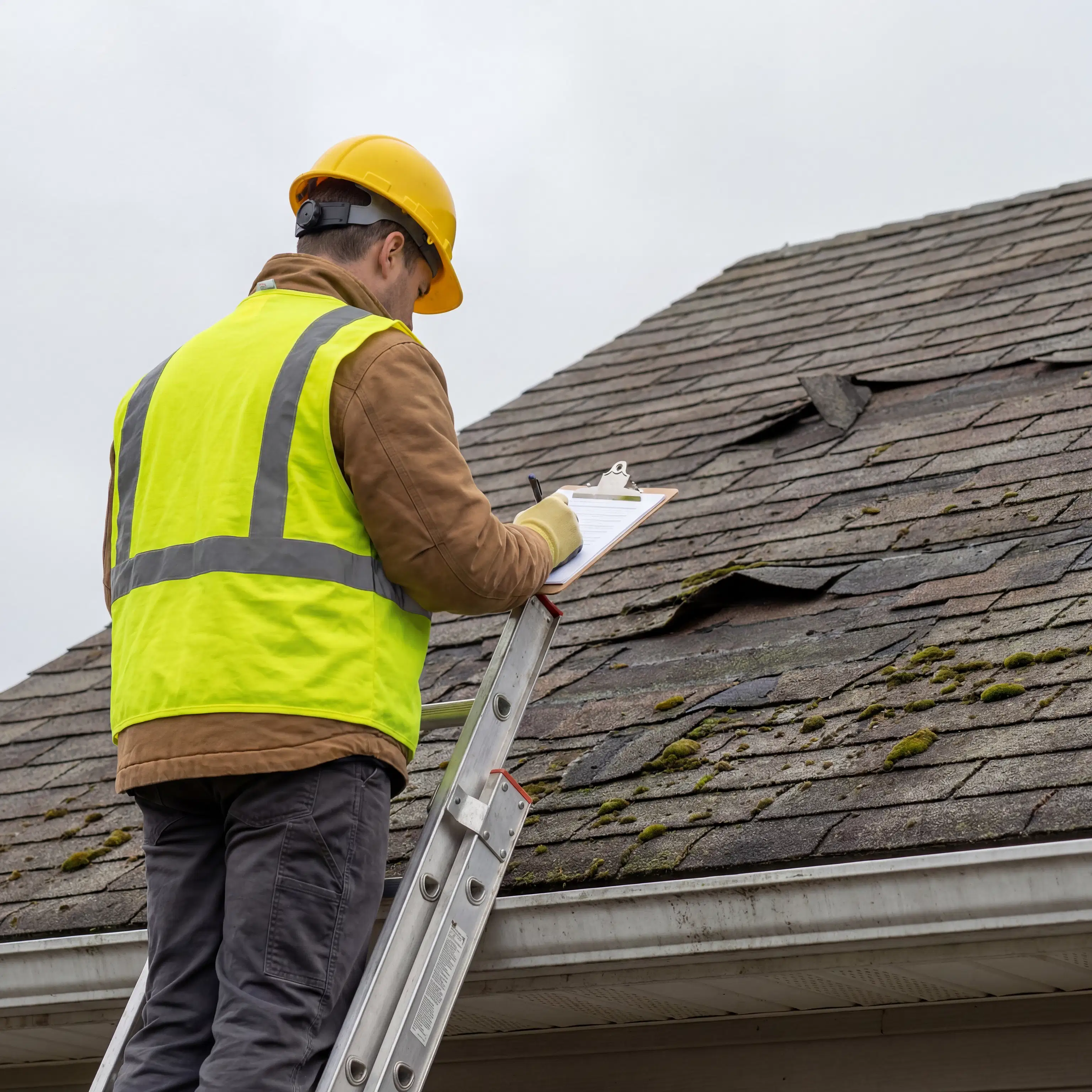
After a major storm, the first step is to assess the condition of your home's exterior. While it is always recommended to have a professional handle the physical inspection of the roof itself for safety reasons, there are several signs you can look for from the ground.
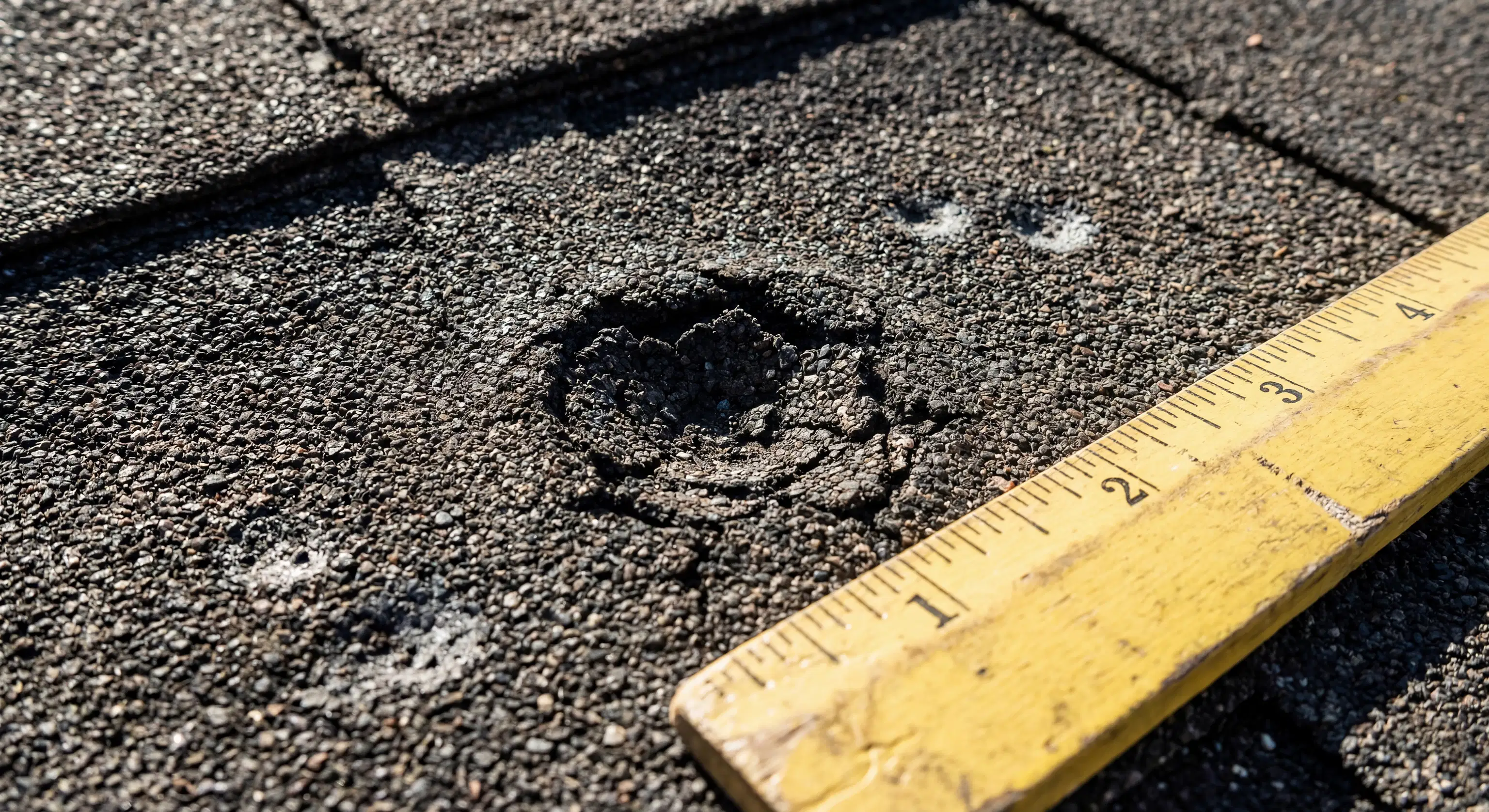
Learning how to spot hidden hail damage on shingles is essential because hail impacts do not always cause immediate, obvious leaks. Instead, they can bruise the shingle and dislodge the protective granules. Over time, particularly during a harsh Chicago winter, these exposed areas are vulnerable to UV degradation, ice dams, and moisture intrusion, which dramatically shortens the lifespan of your roof.
Look for excessive shingle granules accumulating at the end of your downspouts. You should also check for small, circular dimples on your gutters, downspouts, and mailboxes, as these metal surfaces easily show hail strikes.
Wind damage is slightly different. High winds can break the seal that holds shingles down, lifting them up and allowing wind-driven rain to reach the underlayment. When inspecting your property, pay close attention to the edges of the roof. If you notice structural issues at the roofline, you may need professional help repairing storm damaged soffit fascia and roof shingles. The soffit and fascia are critical for roof ventilation and moisture protection; damage here can quickly lead to rot. If you suspect your home's trim has been compromised, our soffit & fascia repair and installation services can restore both the look and integrity of your roofline.
The Step-by-Step Insurance Claim Process
Navigating roof storm damage insurance claims step by step can be one of the most frustrating parts of property ownership. The process is famously filled with red tape, complex paperwork, and lengthy delays. However, having a clear roadmap can significantly reduce your stress and improve the chances of your claim being approved.
Step 1: Document the Damage Before you clean up your yard or make any permanent changes, take clear photos and videos of all visible damage from the ground. Document damaged siding, dented gutters, and any water stains appearing on your interior ceilings.
Step 2: Schedule a Professional Inspection Do not immediately file a claim without knowing the extent of the damage. If the damage is less than your deductible, filing a claim could needlessly raise your premiums. Instead, call a trusted, local professional for an assessment. Today, top contractors use high-tech drone inspections to safely capture high-resolution imagery and precise measurements, providing undeniable proof of damage for your insurance provider.
Step 3: Beware of Storm Chasers After a major weather event in DuPage County, you will likely see out-of-state contractors knocking on doors. These "storm chasers" often perform rushed work, use subpar materials, and vanish before the first leak appears, leaving you with useless warranties. Always partner with a locally established company that understands specific municipal building codes and offers strong manufacturer warranties.
Step 4: File the Claim and Meet the Adjuster If your local contractor confirms significant damage, contact your insurance agent to initiate the claim. Your insurance company will send an adjuster to evaluate your property. It is highly recommended that you have your roofing contractor present during this meeting. A knowledgeable contractor can advocate on your behalf, pointing out hidden damage like structural bruising or compromised ventilation systems that an adjuster might otherwise overlook.

Choosing the Right Local Partner for Repairs
Once your claim is approved, the focus shifts to restoring your property. Managing cash flow during this time can be difficult, as insurance checks often come in phases. A reputable contractor will understand this and offer flexible financing options or guide you through the process of utilizing your insurance payouts effectively.
When it is time for the actual work, understanding the scope of your project is key. If the storm damage is severe or your roof is nearing the end of its life, a complete tear-off is usually the best route. This involves removing all old materials down to the wooden decking, ensuring any hidden water damage is addressed, and installing a brand-new, code-compliant system.
In some cases, the damage may be localized to a specific area. If an inspection reveals that the overall integrity of the roof is intact, targeted roof repair might be all that is needed to secure your home.
Storms can also cause peripheral damage that doesn't necessarily require a massive construction crew. For minor exterior fixes, siding patching, or small structural touch-ups around your property, relying on professional handyman services ensures that even the smallest details of your home's restoration are handled with craftsmanship and care.
Protecting Your Home for the Future
Dealing with storm damage is never easy, but addressing it promptly is the best way to protect your home from mold, structural rot, and expensive future repairs. By knowing what signs to look for, leaning on the expertise of a trusted local contractor, and understanding the insurance process, you can navigate the aftermath of severe weather with confidence.
At Lighthouse Property Services, we pride ourselves on being Oak Brook's trusted partner for exterior home restoration. We know local building codes inside and out, and we are dedicated to providing transparent, high-quality solutions that stand the test of time. If you suspect your home has weathered a little too much of the recent storms, do not wait for a leak to confirm your suspicions.
Reach out to us today to contact us for a thorough, professional inspection and let us help you safeguard your home for whatever the weather brings next.