
A Homeowner's Guide to Preventing Ice Dams and Winter Roof Damage
The beauty of a crisp Illinois winter, with homes dusted in fresh snow, is something we all appreciate. But beneath that picturesque scene, a common and costly problem could be forming on your roof: ice dams. These thick ridges of ice along the eaves of your home are more than just oversized icicles; they're a clear warning sign of potential water damage that can lead to stained ceilings, damaged insulation, and expensive repairs. As a trusted property service provider in the Wheaton area, we've seen firsthand the headaches ice dams can cause. This guide will walk you through what causes them and, more importantly, how you can prevent them from damaging your home this winter.
What Exactly is an Ice Dam?
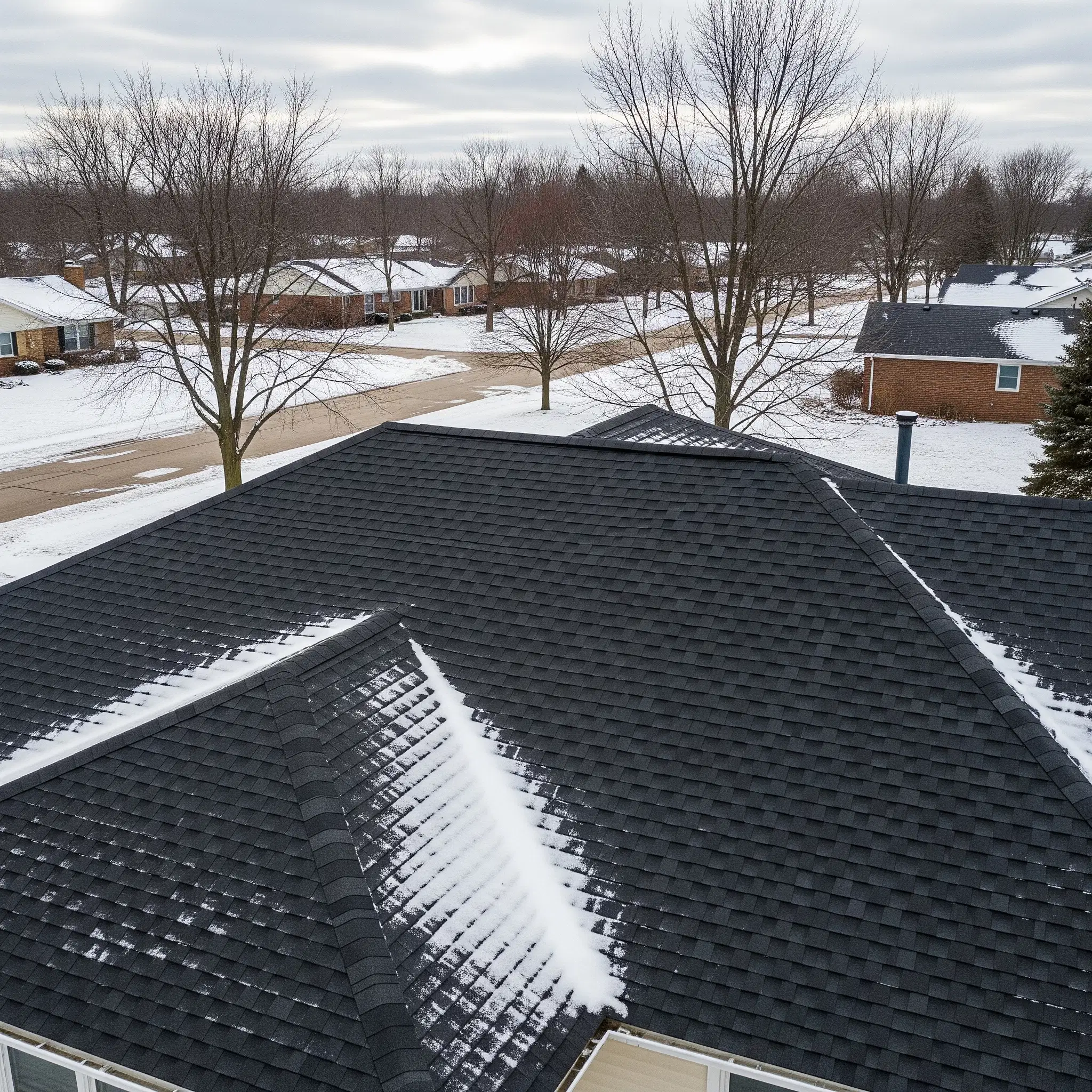
An ice dam forms when a specific sequence of events happens on your roof. It starts when heat from inside your home escapes into the attic, warming the underside of the roof deck. This warmth melts the snow on the upper parts of your roof. The resulting water flows down until it reaches the colder eaves (the edges of the roof that extend past the house), where it refreezes.
As this cycle repeats, a ridge of ice—an ice dam—builds up along the eaves. This dam blocks any further snowmelt from draining off the roof. The water pools behind the dam and, with nowhere else to go, can back up under your shingles and seep into your home. This is a classic sign that your home's thermal envelope isn't performing as it should. The problem isn't the snow or the ice itself, but the heat loss from your home that creates the melt-freeze cycle. Addressing this root cause is the key to a long-term solution.
The Keys to Prevention: Insulation and Ventilation
Preventing ice dams isn't about reacting to them once they've formed; it's about creating a roof system that stops them from forming in the first place. The two most critical components for this are proper attic insulation and ventilation.
-
Adequate Insulation: The primary goal is to keep your attic as cold as the air outside. A thick, even layer of insulation on your attic floor acts as a thermal barrier, preventing warm air from your living spaces from rising and heating the roof deck. This addresses the core issue of heat loss, which not only protects your roof but can also significantly lower your energy bills.
-
Proper Ventilation: A well-ventilated attic works hand-in-hand with insulation. A continuous flow of cold, outdoor air is needed to circulate through the attic and carry away any small amount of heat that does escape. This is typically achieved with a balanced system of soffit vents (intake vents under the eaves) and ridge or gable vents (exhaust vents near the peak). This airflow ensures the entire roof surface stays uniformly cold, preventing snow from melting prematurely. If your soffit and fascia are damaged or blocked, it can severely compromise this system. You can learn more about our Soffit & Fascia Repair and Installation services to ensure your home's ventilation is working correctly.
Practical Steps for Winterizing Your Roof
Before the first heavy snowfall, there are several proactive steps you can take to prepare your roof for the harsh winter months. This process of winterizing is essential for protecting your investment and avoiding emergency calls for repairs.
-
Clean Your Gutters and Downspouts: This is one of the most important fall maintenance tasks. If your gutters are clogged with leaves and debris, water can't drain properly. This standing water will freeze solid, creating a foundation for ice dams to form even on a well-insulated roof. A professional gutter cleaning and inspection can ensure your system is clear and ready for winter.
-
Seal Air Leaks: Check your attic for any gaps or air leaks that could allow warm air to bypass your insulation. Common culprits include areas around plumbing vents, recessed lighting fixtures, and attic access hatches. Sealing these with caulk or spray foam is a simple DIY task that makes a big difference.
-
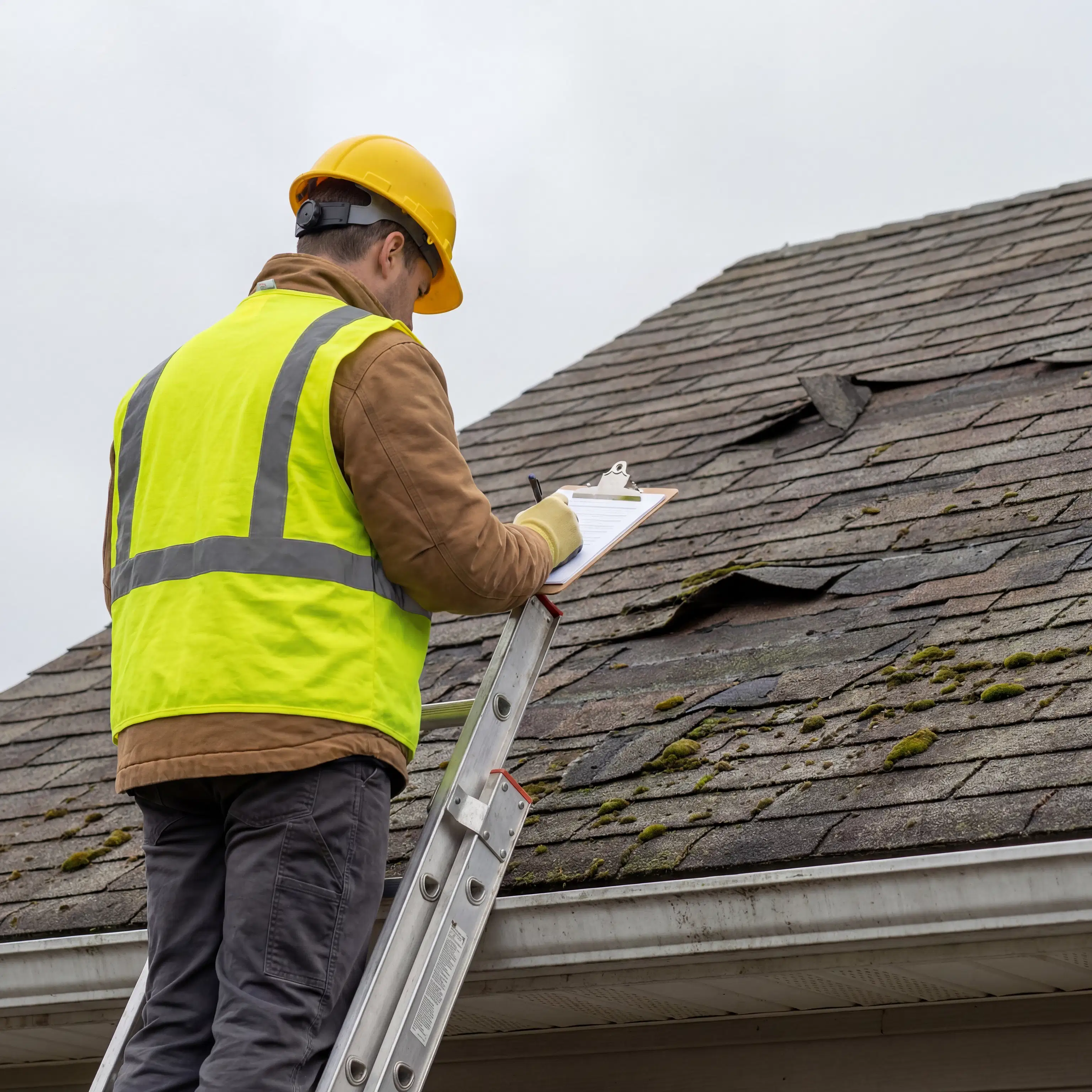
Schedule a Professional Roof Inspection: The best way to know if your roof is truly ready for winter is to have an expert look at it. A professional can identify potential issues like damaged shingles, failing flashing, or inadequate ventilation that you might miss. A proactive roof maintenance check-up provides peace of mind and can catch small problems before they become major, costly ones.
Protect Your Home This Winter with Lighthouse Property Services
Winter in Illinois is demanding on our homes, but with the right preparation, you can prevent common issues like ice dams and the serious damage they cause. By focusing on the root causes—heat loss and poor ventilation—and performing key seasonal maintenance, you can ensure your roof remains a steadfast shield for your family.
Don't wait for a leak in your ceiling to tell you there's a problem. If you're concerned about your home's vulnerability to ice dams or want a professional assessment of your roof, gutters, or insulation, the team at Lighthouse Property Services is here to help. We provide expert roof repair, comprehensive maintenance plans, and professional gutter services to keep your Wheaton home safe and secure all year long. Contact us today to schedule your pre-winter inspection.